
The Viking Economy
Stand on the Prow and Chop the Debt
Now imagine this: You are a Viking warrior standing on the prow of your longship. The wind is sharp, the sea is restless, and your mission is clear – to chop down debt, conquer financial weakness, and claim new territory in the form of habits, investments, and a home that will shelter you and possibly future generations.
To understand the strength you carry, read about Viking history. Not the Hollywood version — the real sagas. See what traits Thrifty Thora may have inherited from her Scandinavian ancestors. And don’t skip to the end. That’s cheating, and the Vikings didn’t cheat. They endured, they strategized, and they built.

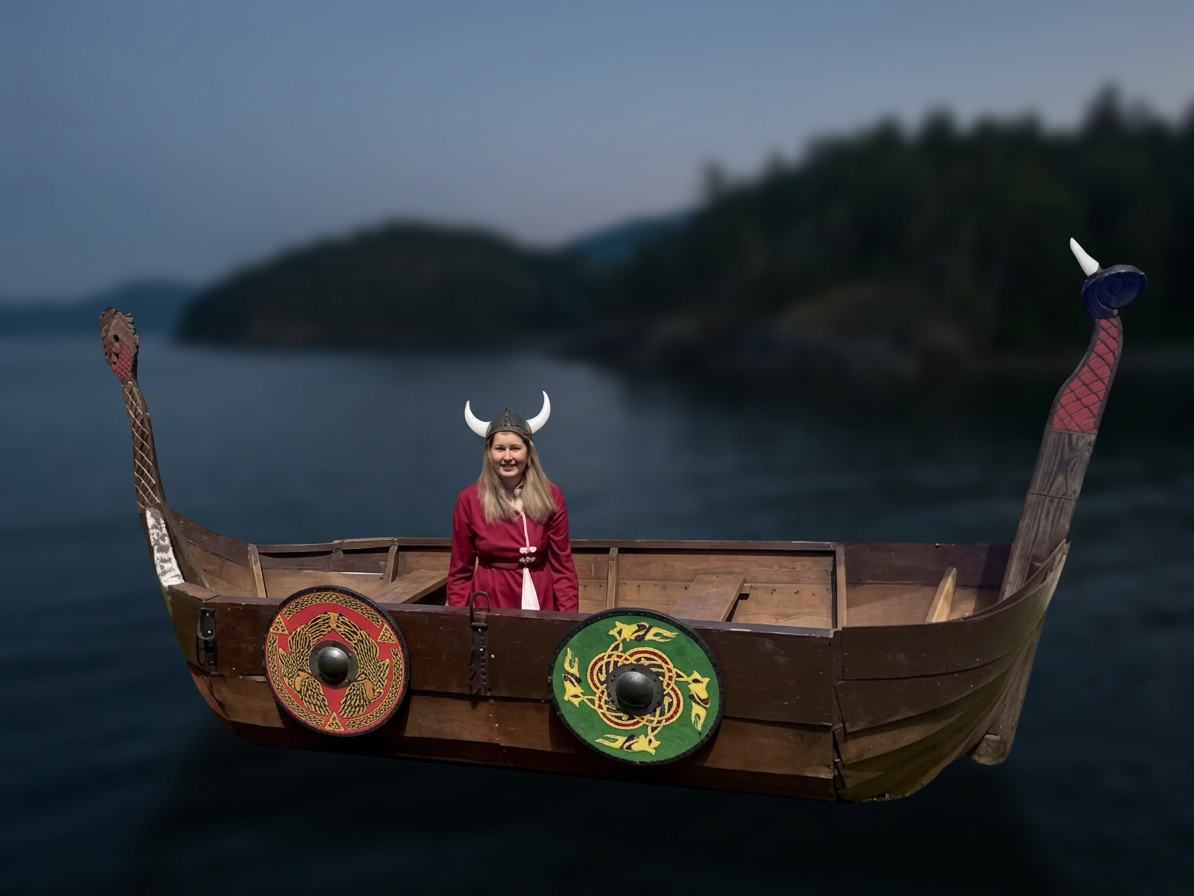

The Women Who Stayed Home and Ran Everything
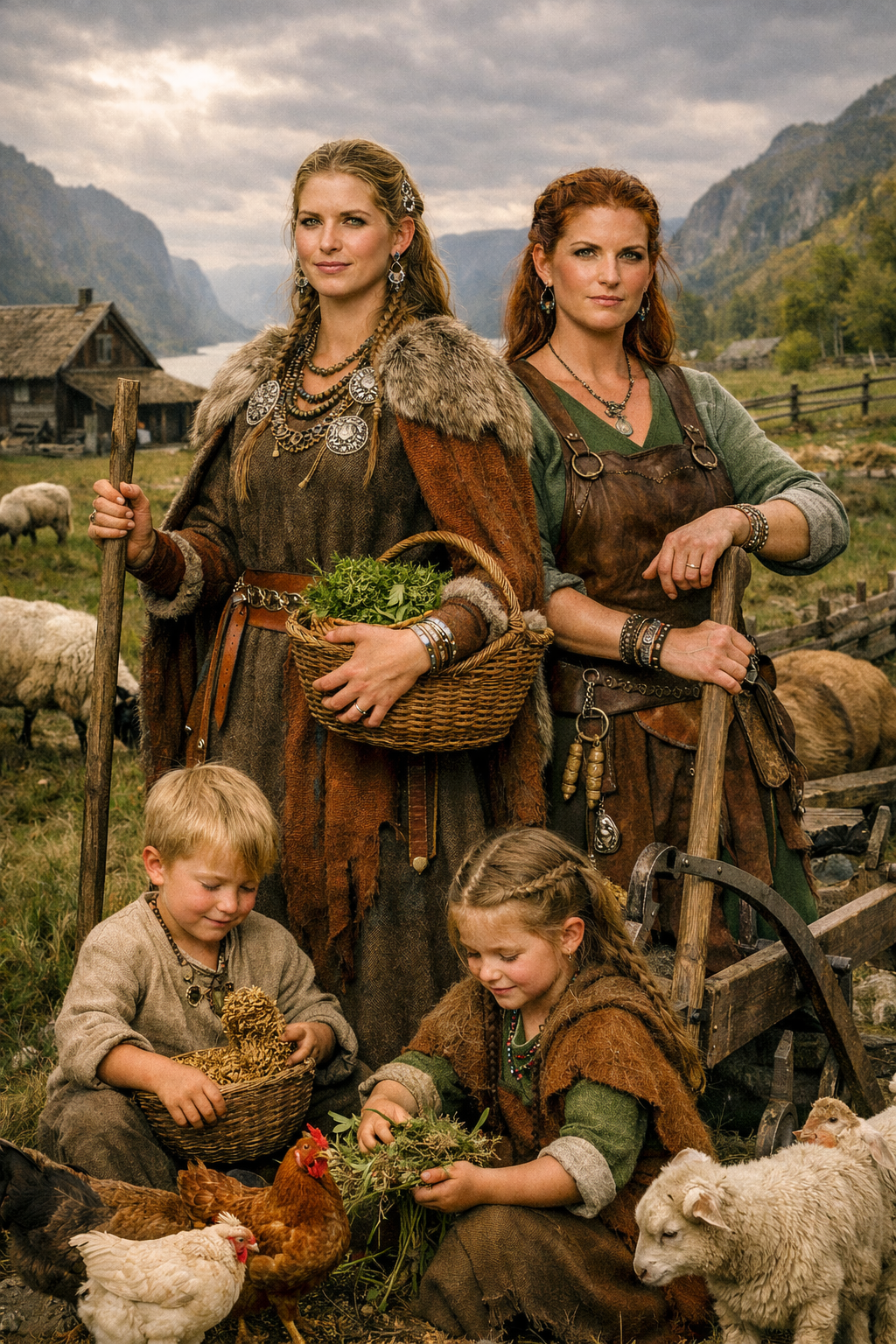
Scandinavian women were basically the original multitaskers. They ran the home, wrangled the kids, sometimes managed the farm, and still had time to own their own land.
With their husbands off gallivanting around Europe “conquering stuff,” these women had no choice but to be fiercely independent.
And in true Viking fashion, your social status wasn’t measured by fancy titles—it was all about how much land you owned and how shiny your jewelry was. The more bling, the more respect.

Viking Expansion 800-1100 AD
Yes — the terrifying, monastery‑raiding, axe‑swinging Vikings were, for the most part… farmers.
Imagine a fearsome warrior yelling “FOR ODIN!” while also worrying about whether his turnips were getting enough sun.
But they weren’t just farmers. They were also:
*blacksmiths (the original DIY metalworkers)
*merchants (think medieval Etsy sellers)
*craftsmen (the IKEA ancestors)
*brewers (had to treat the water so people didn’t get sick)
*fishermen (Scandinavia = water, water, and more water)
Amber washed ashore, was polished, and was traded to the Roman and Byzantine Empires. So yes — Vikings were selling pine‑tree fossil jewelry to people in Greece, Turkey, and North Africa long before Instagram shops existed.
Norse religion dealt with their own gods and included warriors.
Charlemagne, a powerful leader from France, used military force from 800 to 814 AD to try to convert the Scandinavians to Christianity. Spoiler Alert: They said “Nah” with a vengeance. The Viking raids, with their superior boats, began as acts of revenge missions against the Christians. They began as pirates and eventually became armies that conquered and established settlements such as Dublin, Ireland, and Kiev, Russia, among many others.
The Vikings sometimes settled and assimilated with the populations of England, Ireland, Greenland, Iceland, France, Russia, Asia, and Ukraine. Basically, Vikings were the original “We’re just going to stay for a few days” houseguests who never left.
Their domination lasted from 800 to 1100 AD. Leif Erickson, who died in 1020, even established a settlement in Newfoundland, Canada, and explored parts of Rhode Island and Maine, but lived in Greenland on his days off.
Only a small percentage of the Scandinavian population were actual Vikings.Read Less
Most Scandinavians stayed home tending goats and avoiding frostbite. The Viking raiders were the elite few who said, “Let’s get on a wooden boat and see what happens.”
What happened:
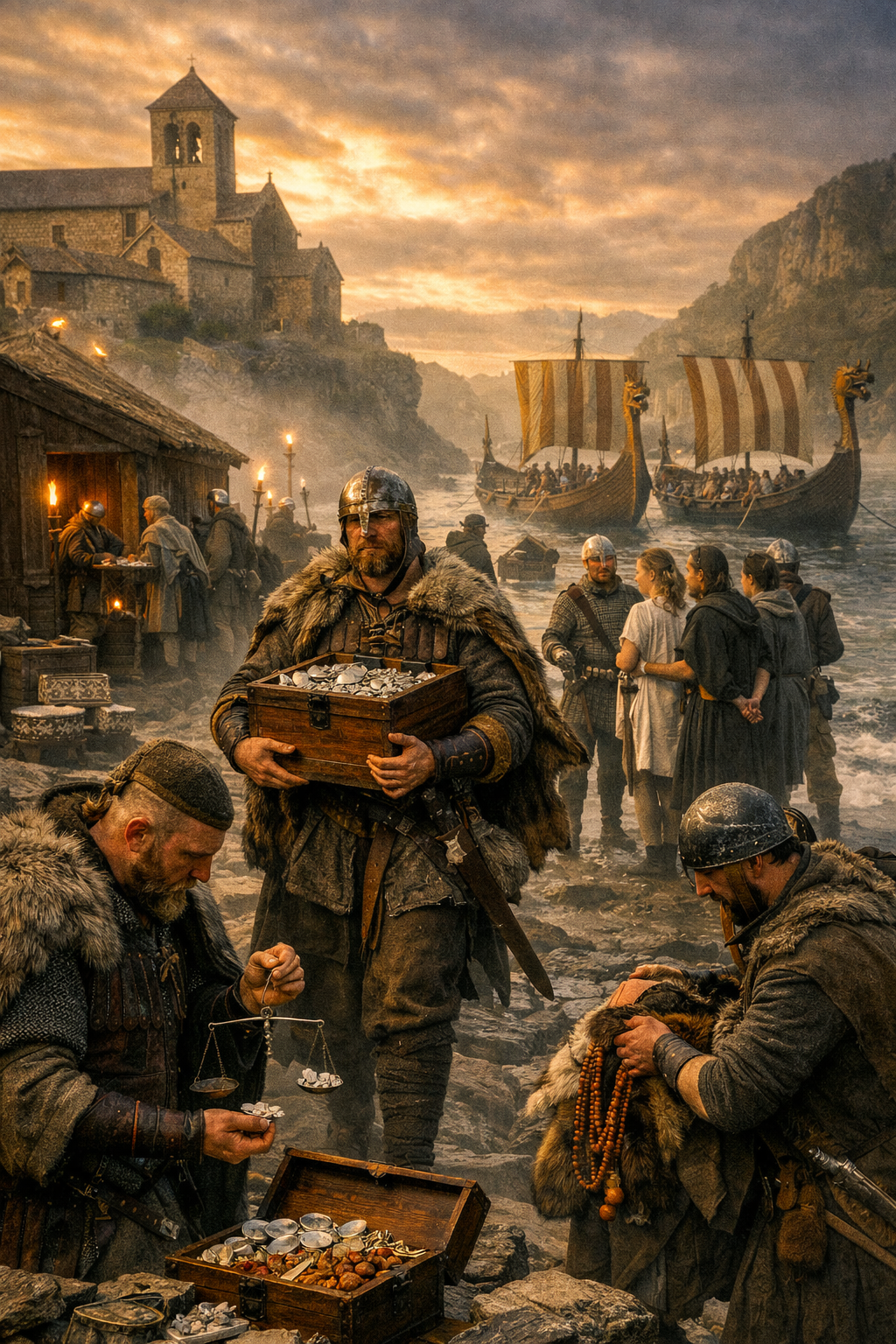
Vikings were excellent businessmen and negotiators. They had trade routes across Europe, the Middle East, Asia, and northern Africa. They sold slaves (mostly women and young men from the British Isles and Eastern Europe), weapons, furs, and amber jewelry.
Silver was their preferred payment. Gold or jewelry was a bonus. Coins didn’t matter — only the weight of the silver. They literally carried tiny scales around like medieval accountants.
And here’s the twist: Merchants were honest with Vikings. Because if you cheated a Viking, you would get a bad Yelp review — with no more Viking deals.
The End of the Viking Era
By the 11th century, Scandinavia converted to Christianity. This meant:
*fewer raids
*more staying in one place
*standardized money
*fewer longships showing up uninvited at monasteries
And just like that, the Viking Age faded out — replaced by peaceful trade, farming, and eventually, IKEA.
Viking Ship Museum, Oslo, Norway, May 2017
People will not look forward to posterity who never look backward to their ancestors.
Same Blood, Better Plumbing
My family tree and DNA say that I have Scandinavian, so possibly Viking blood. Of course, our ancestors—Viking or not—handed down all kinds of traits. Some good, some… less good. If your ancestors had solid money habits, fantastic, follow their lead. If they spent like an impulse buyer in a gift shop, you don’t have to continue the tradition. You can be the one who breaks the “terrible financial decisions” cycle and becomes the financially responsible Viking your lineage never saw coming.
1. I’m basically a Modern Viking…Just with better plumbing. I, Thrifty Thora, share several traits with my Viking ancestors – minus raiding, pillaging, and questionable beard choices.

The Traits I Kept
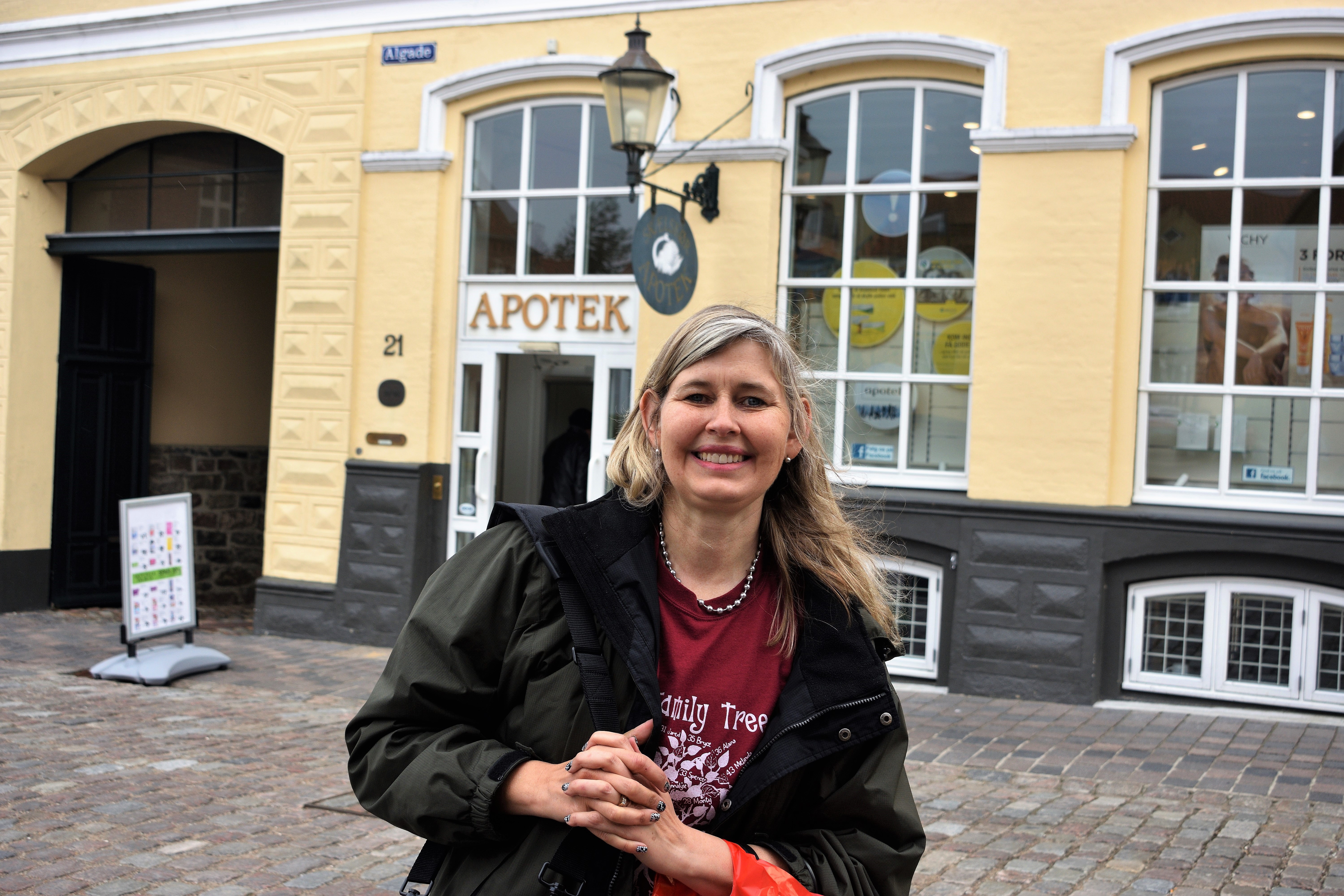
I like to travel and explore the world with snacks and a return flight home. I own my own home with land, including a garden where I battle weeds, and negotiate deals to buy a house or a piece of furniture, like a Norse chieftain at a flea market. I wear jewelry; Vikings loved bling, so I simply carry on the tradition with fewer axes involved. I also invest, work hard, and go to a Christian church, which thrills Charlemagne, I’m sure.
I’m basically a Viking, but instead of storming monasteries, I storm the clearance rack.
The Traits I Dropped
2. I don’t take other people’s things. Unlike my hypothetical Viking ancestors, I do not raid monasteries, villages, or coastal gift shops. The only “slaves” I own are my sink with running water, stove, dishwasher, clothes washer, and dryer.
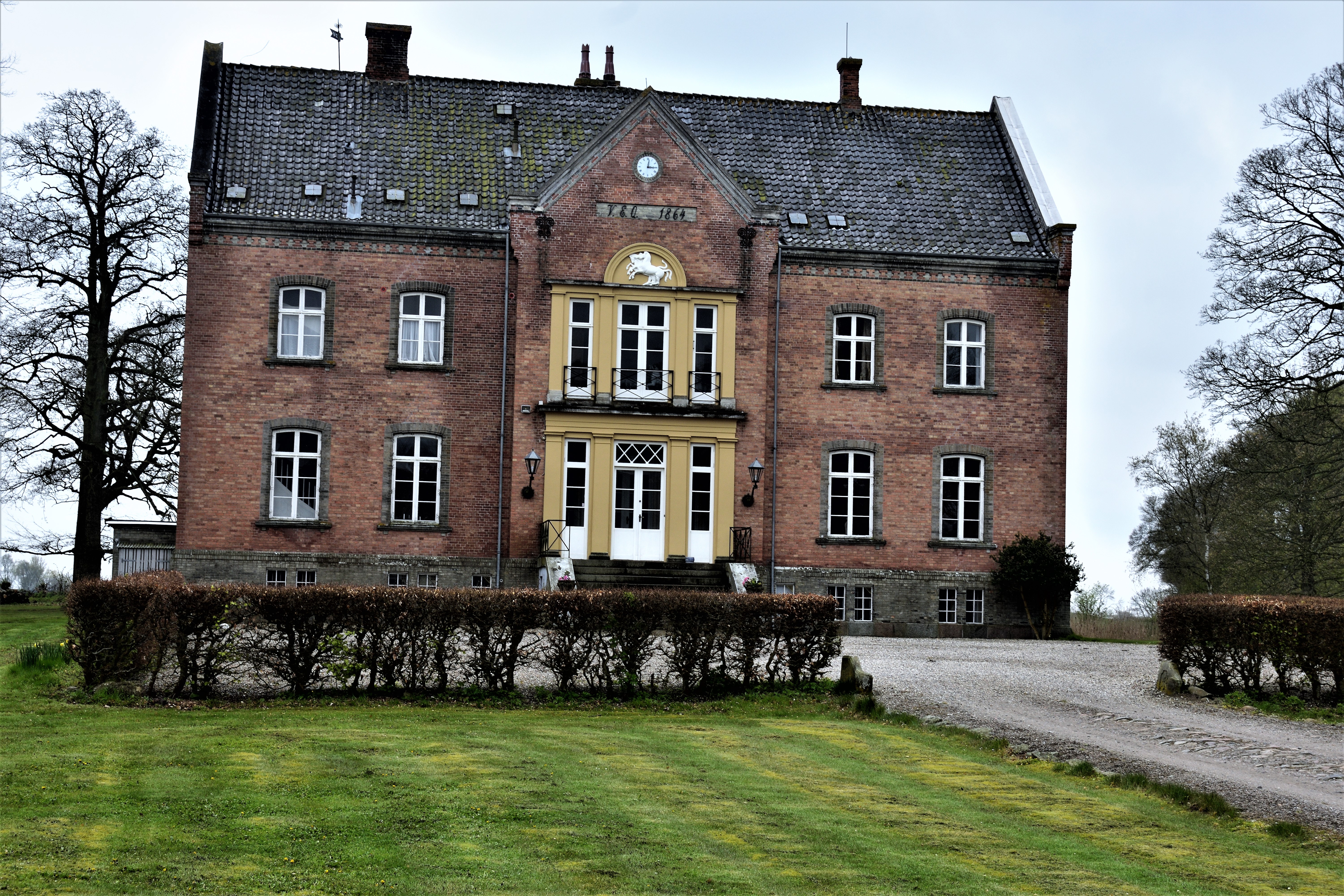
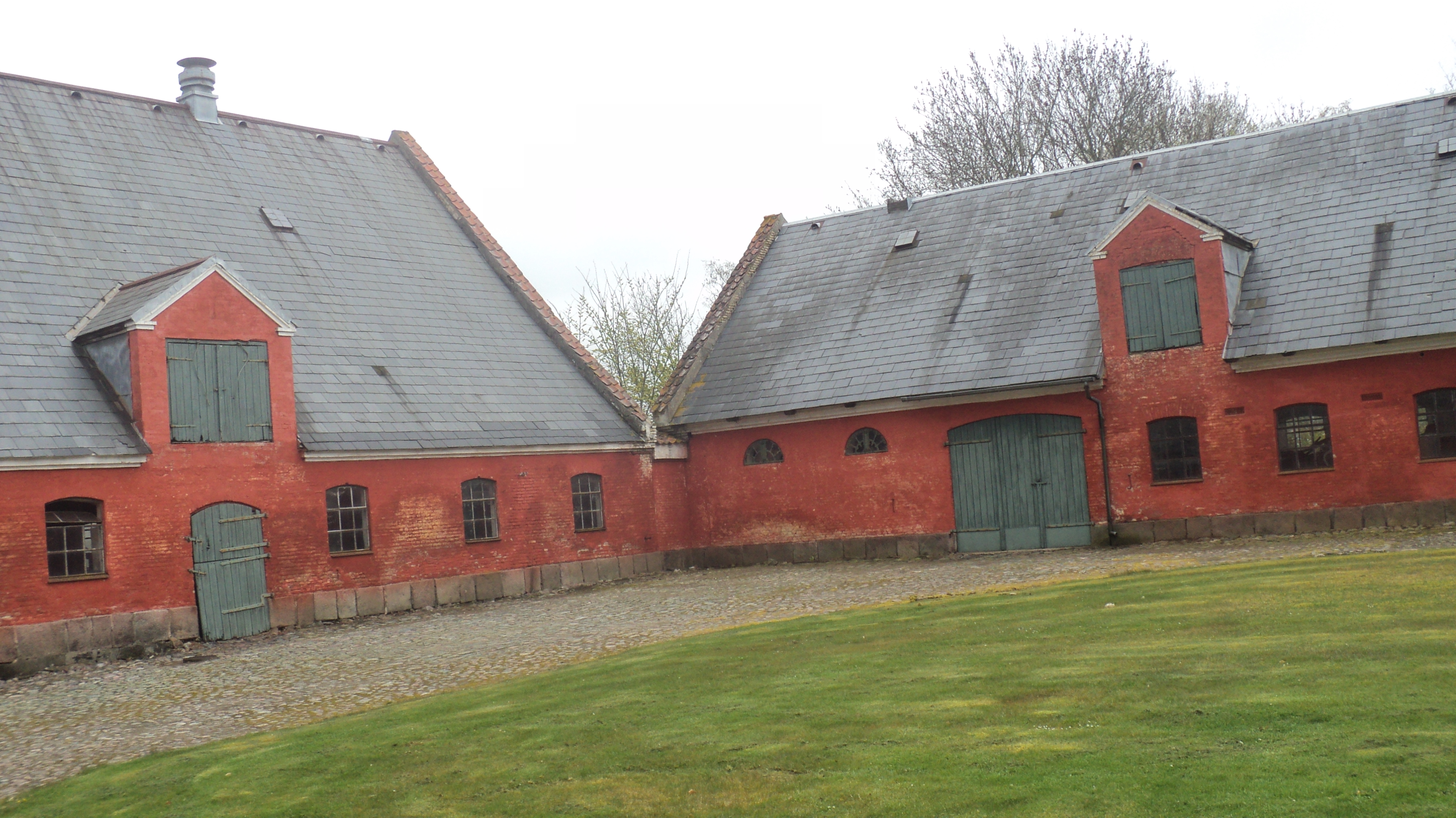
The photo below has a description of Herreborgen Borreby near Skælskør, Denmark. My ancestor was a master gardener from Holland who moved to Denmark, married a Dane, and tended the Castenholdt estate here for many years. He died in 1847.
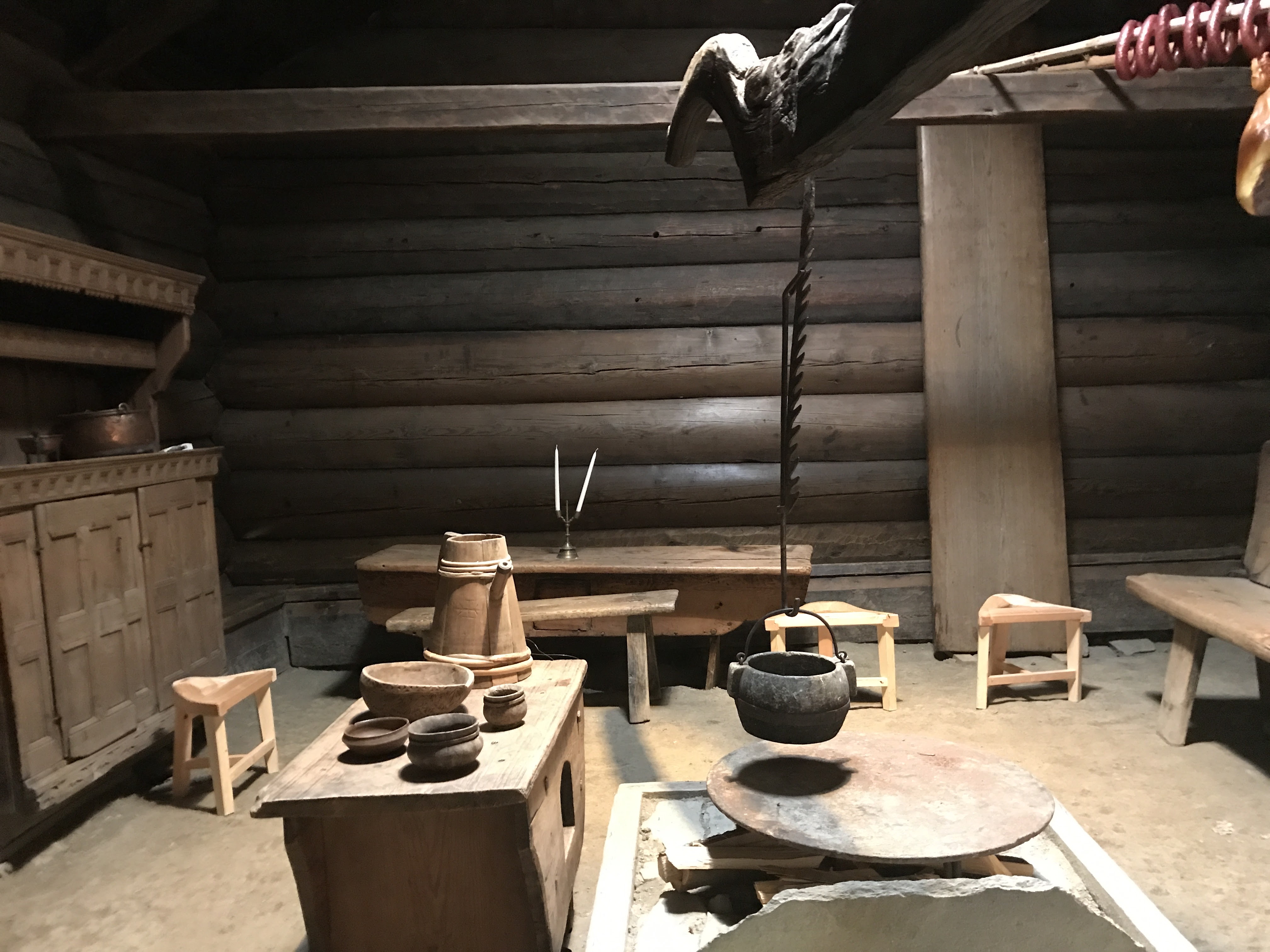
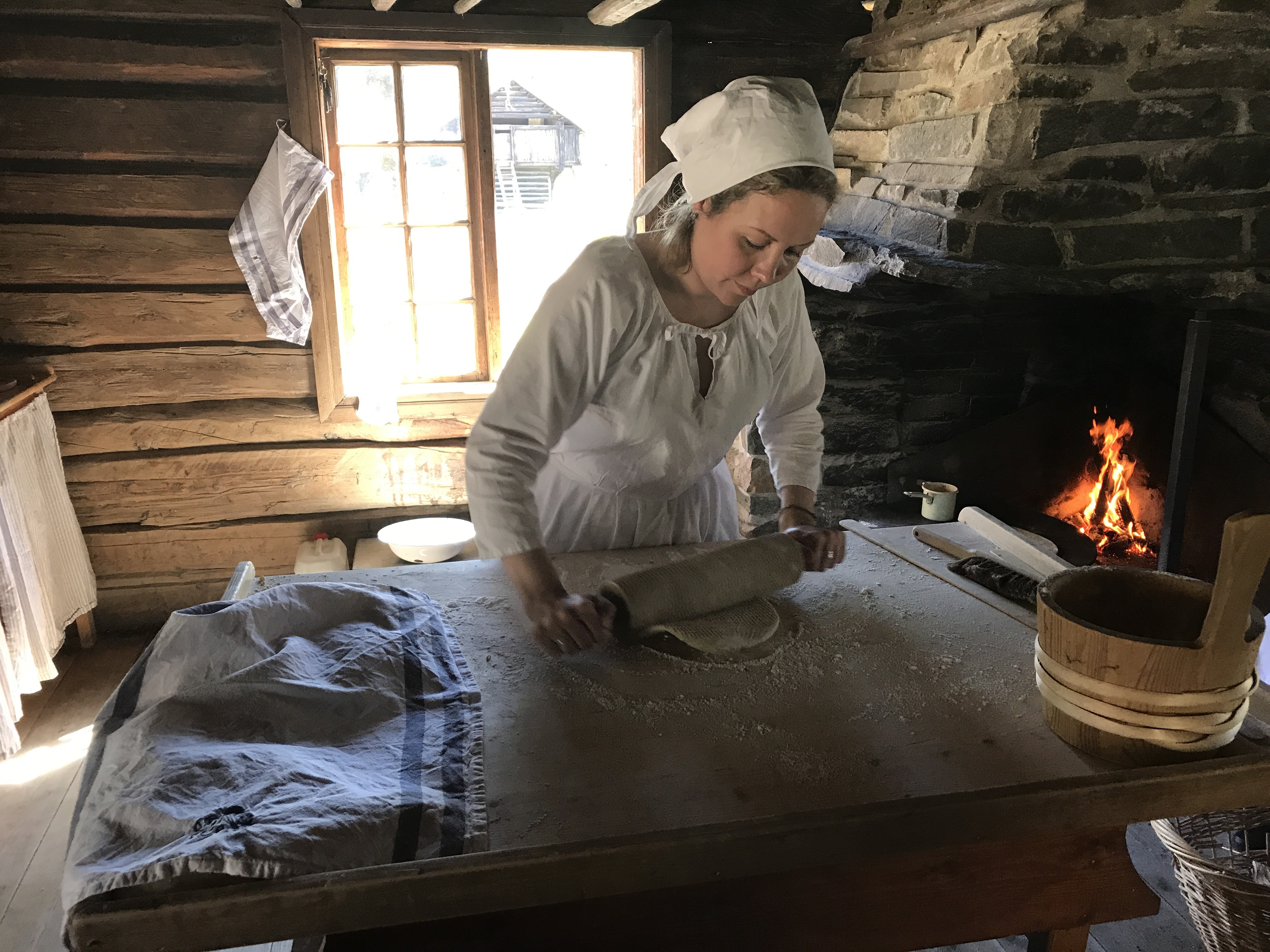
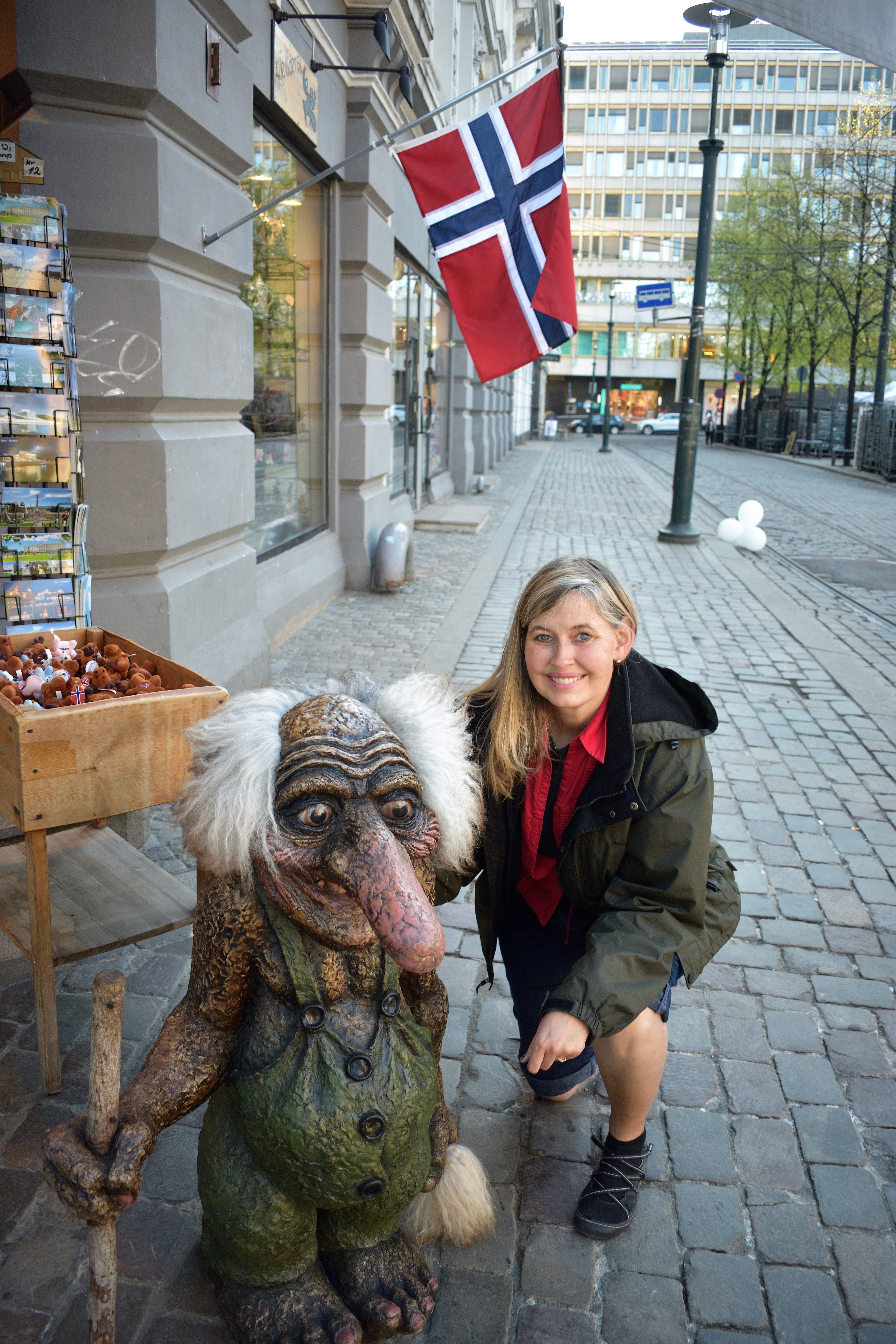
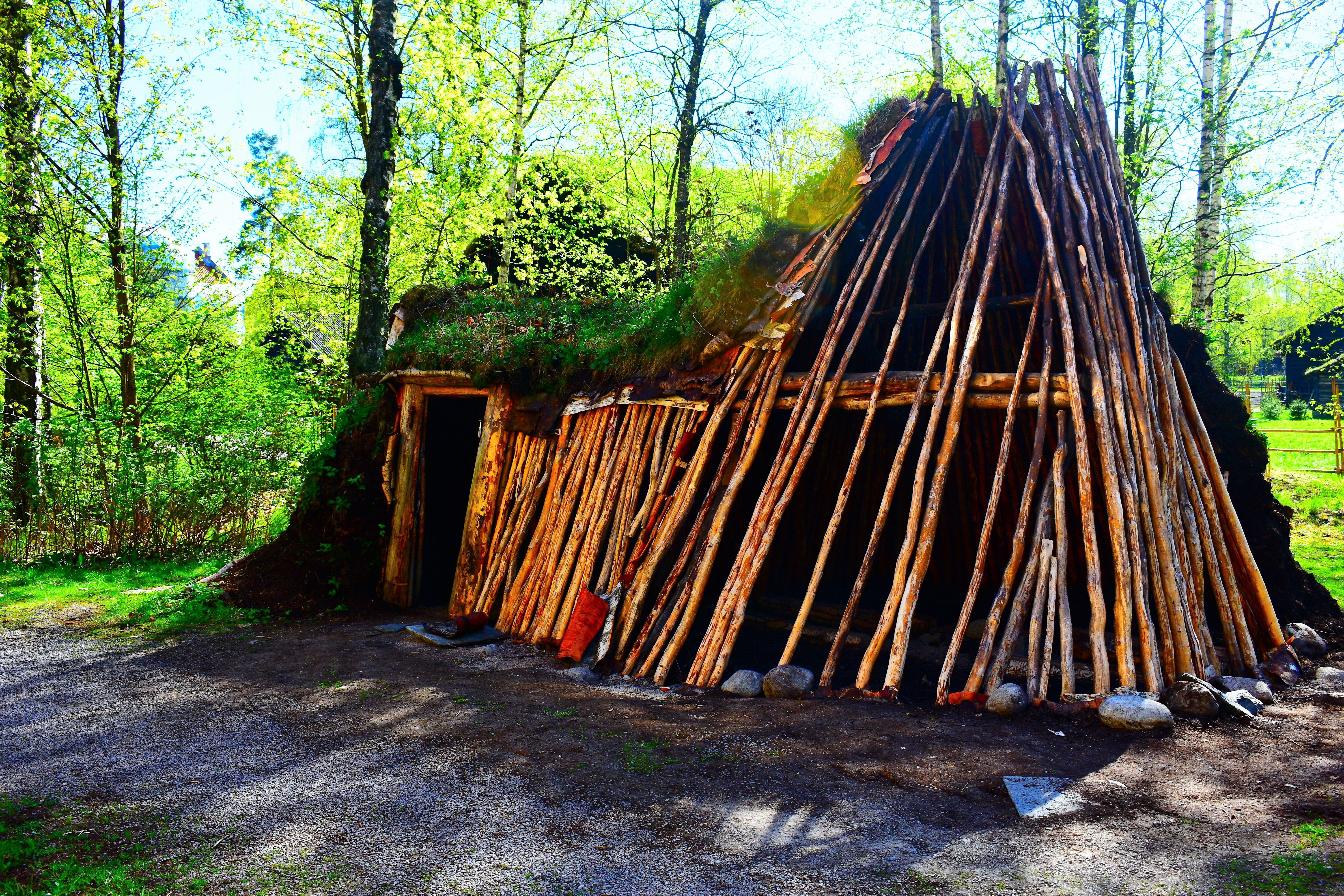
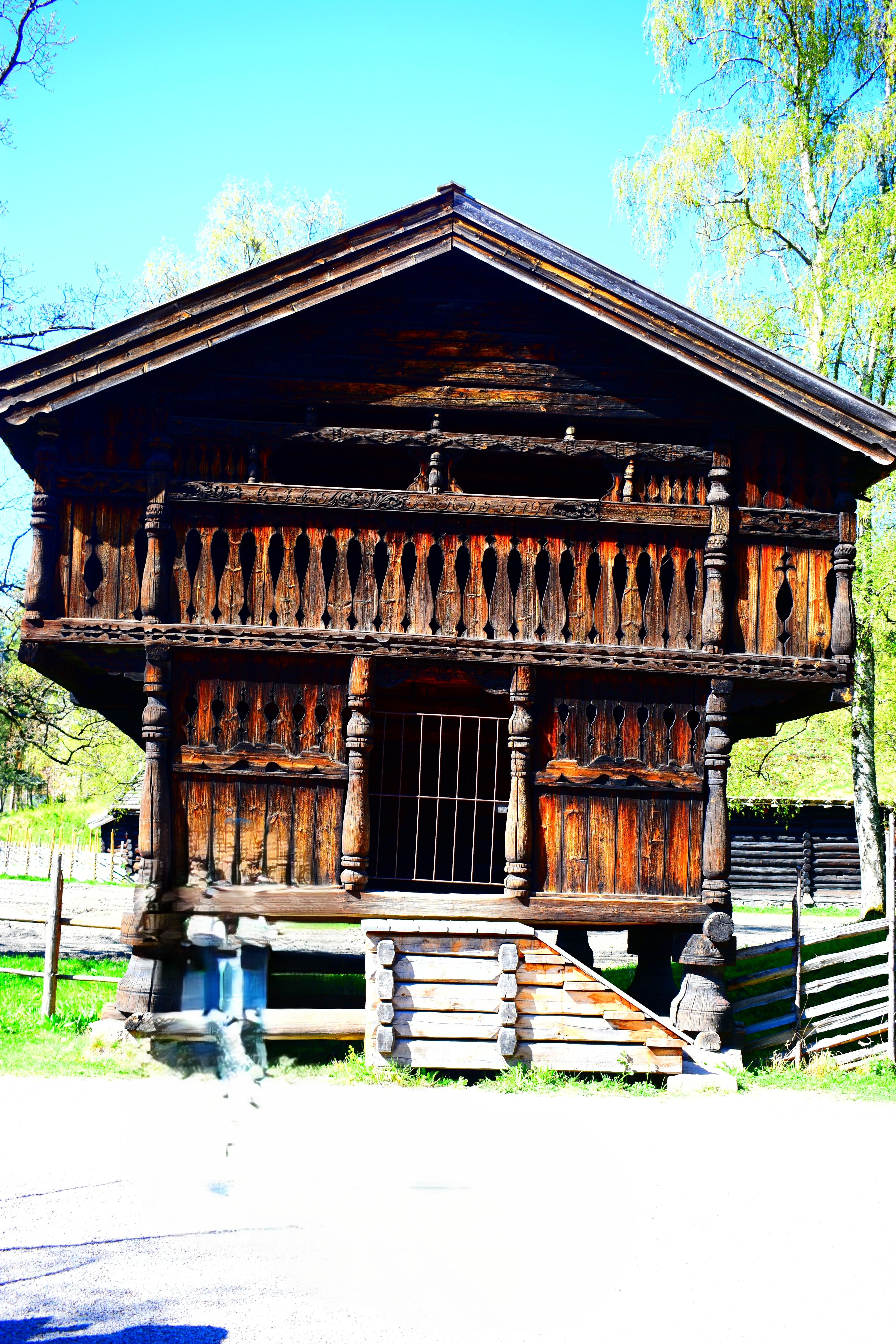
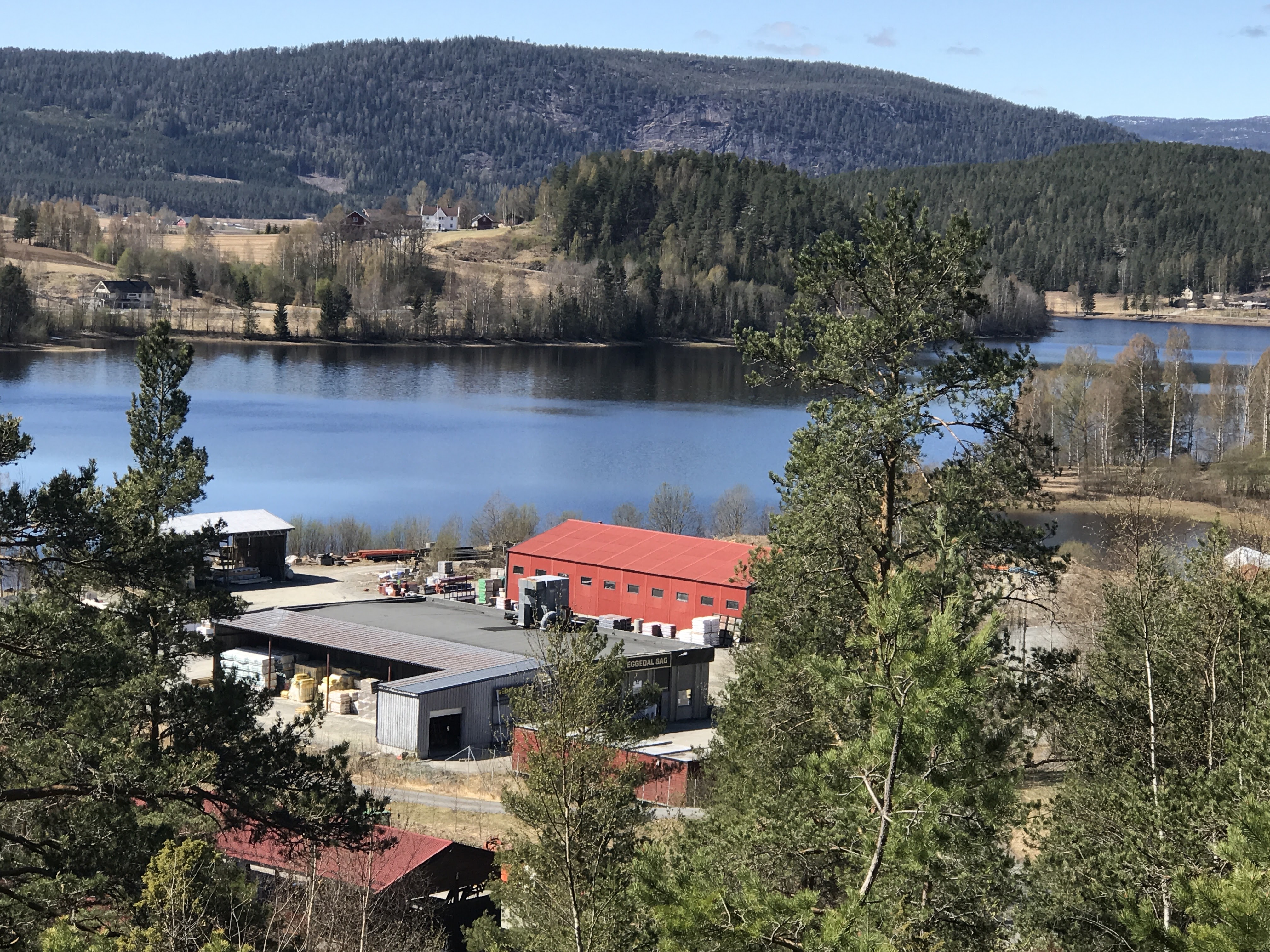
Norway, May 2017
A trip to Denmark, Norway and Sweden with my parents and three of my siblings. Investing the money instead of spending it is what bought the plane tickets.
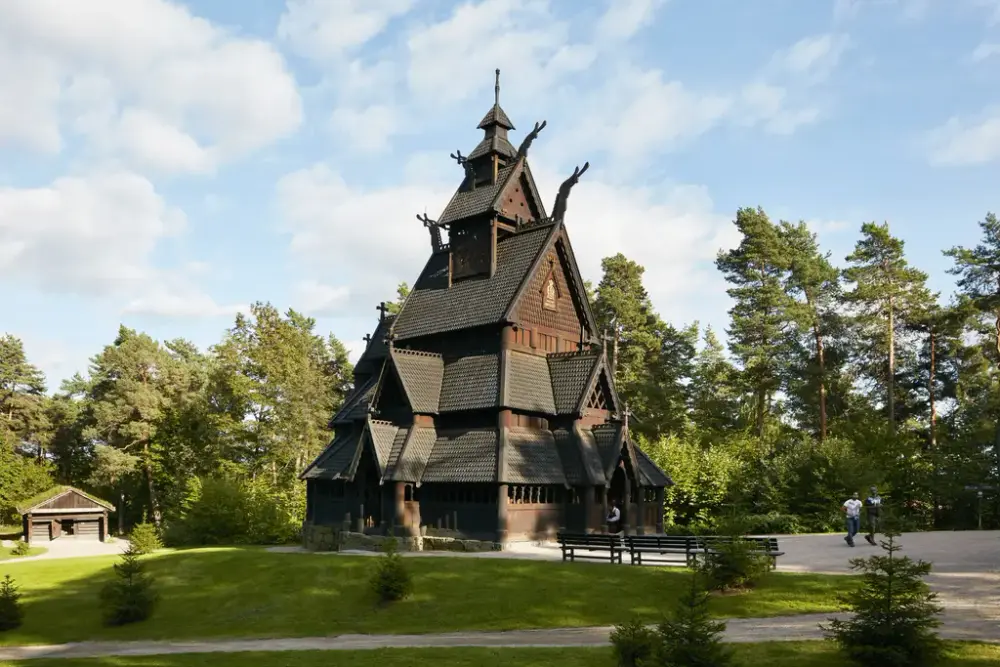

Skælskør, Denmark
The band above is Herreborgen Borreby, near Skælskør. My ancestor was a master gardener from Holland who moved to Denmark, married a Dane, and tended the Castenholdt estate here for many years. He died in 1847.
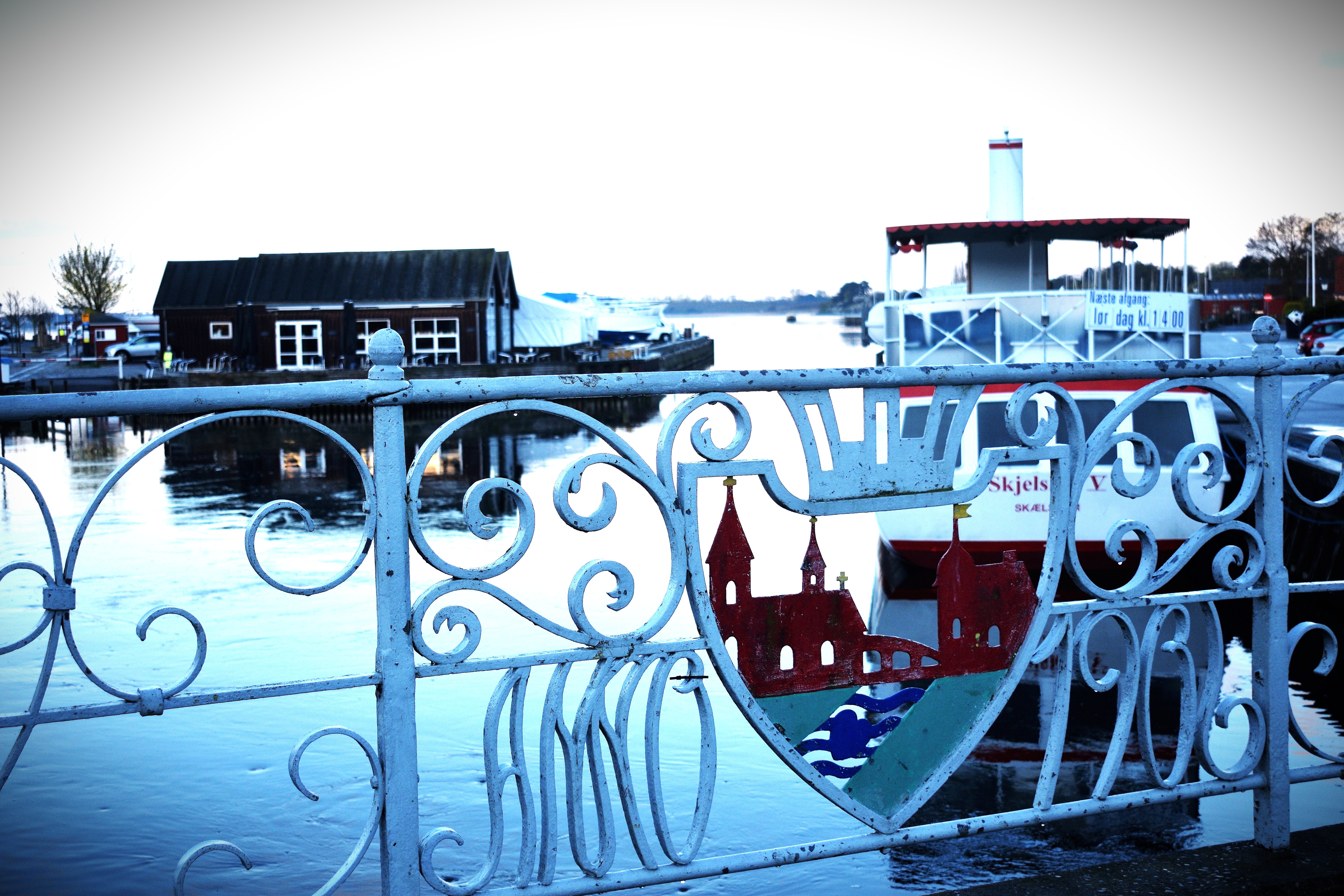
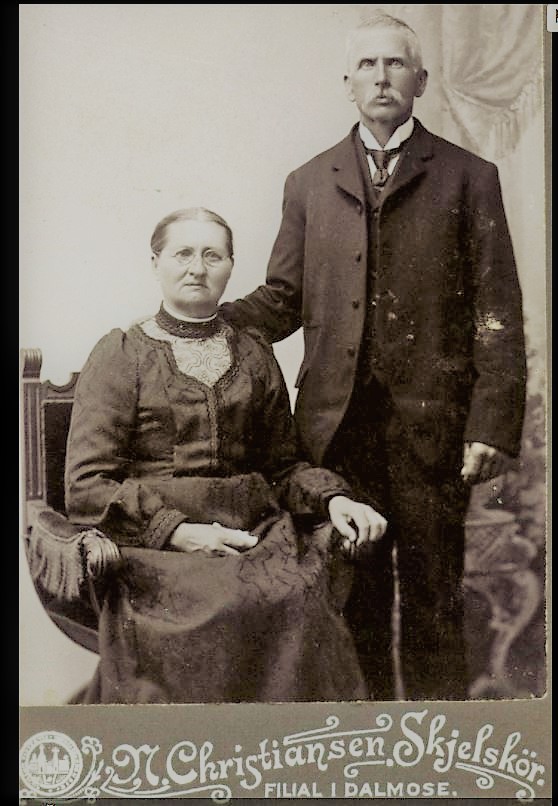
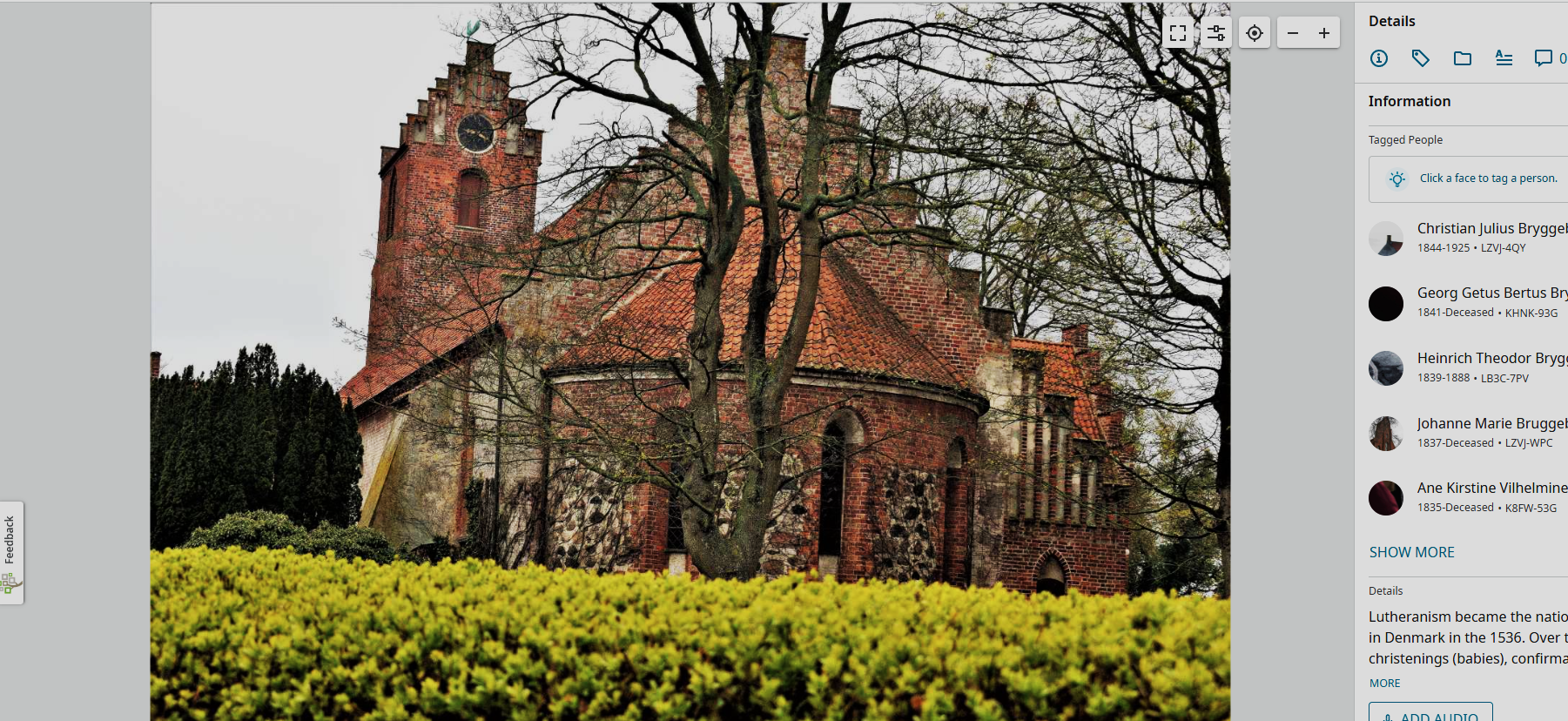
Vilhelmine Hansen and Frederik Olsen, my great great grandparents, emigrated to the United States at ages 29 and 30. Everything below is the ground they left.
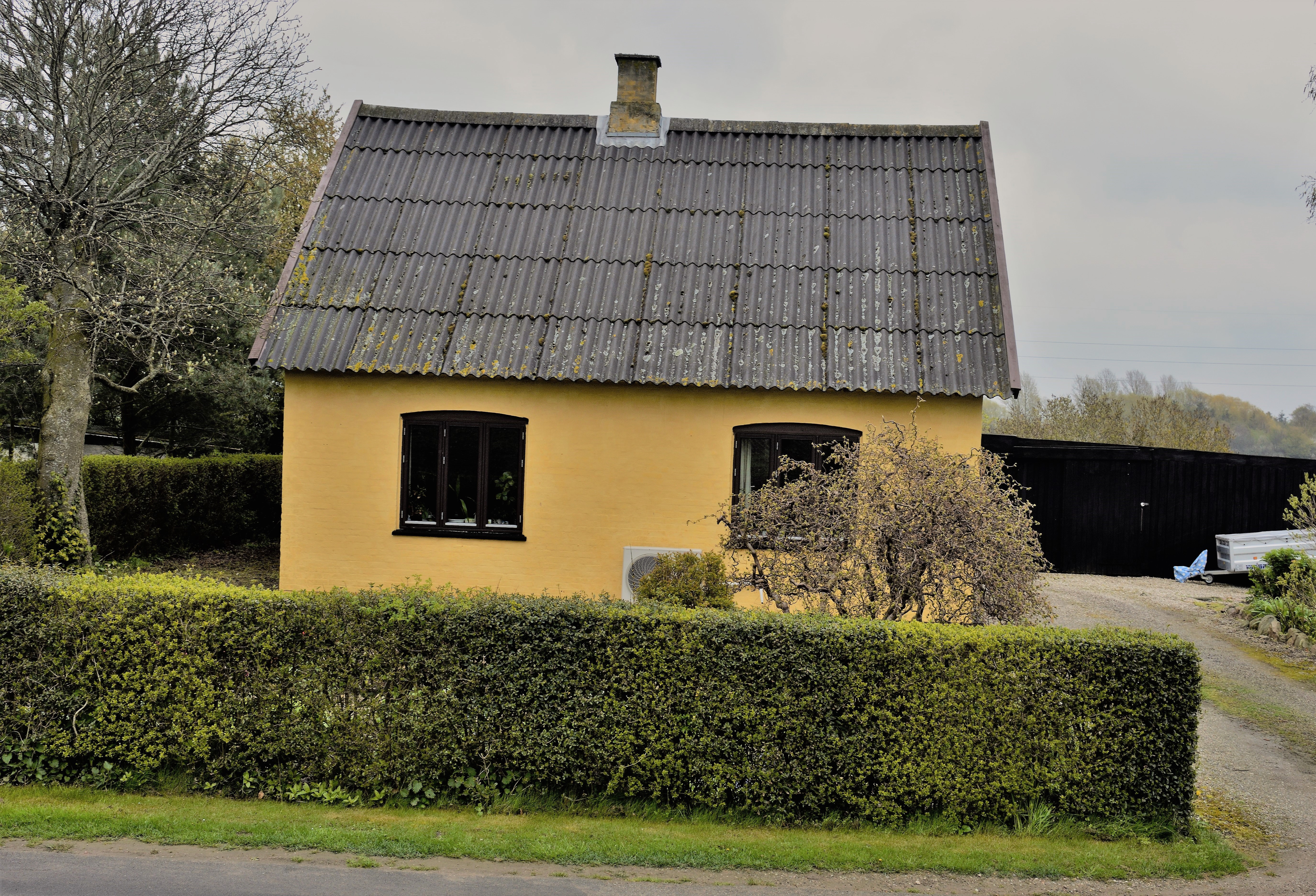


Look Backward, Then Build Forward
You do not have to inherit the money habits along with the DNA. Keep the ones worth keeping and leave the rest on the shore.